
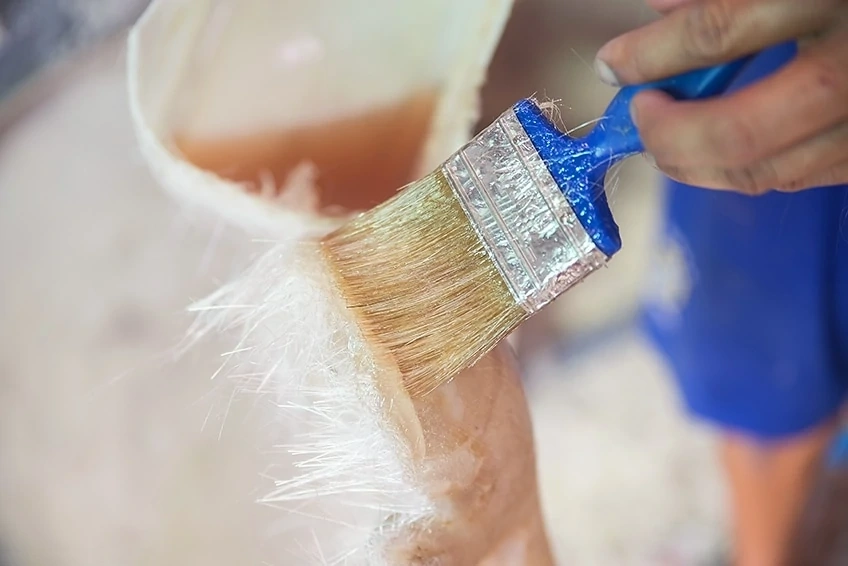
What is Unsaturated polyester?
Unsaturated polyester is a type of synthetic resin that is widely used in various applications, particularly in the production of composite materials. These polyesters are termed “unsaturated” because they contain carbon-carbon double bonds (C=C) in their molecular structure, which allows them to undergo cross-linking reactions during the curing process. This unique characteristic distinguishes unsaturated polyesters from saturated polyesters, which do not contain these double bonds.
Take the first step with Silatrading by contacting us to discuss your project needs!
Composition and Structure
Unsaturated polyesters are typically formed by the reaction of diols (such as ethylene glycol or propylene glycol) with dicarboxylic acids (like maleic anhydride or phthalic anhydride). The resulting polymer chains contain both ester linkages and unsaturated double bonds. This structure enables the material to be mixed with various curing agents, such as styrene, which acts as a monomer that can polymerize and cross-link with the unsaturated polyester, leading to a solid, durable material.
Properties
The unique properties of unsaturated polyesters make them suitable for a wide range of applications. They exhibit good mechanical strength, chemical resistance, and thermal stability. Additionally, they can be easily molded and shaped when combined with reinforcing fibers, such as glass or carbon fibers, resulting in composite materials that are lightweight yet strong.
Environmental Considerations
While unsaturated polyesters offer numerous advantages, there are environmental concerns associated with their production and disposal. The use of styrene, which is often involved in the curing process, poses health risks and can contribute to air pollution. As a result, researchers are exploring more sustainable alternatives and methods for recycling this material composites to mitigate their environmental impact.
In summary, unsaturated polyester resin are a vital class of materials in modern manufacturing, known for their versatility and performance. Their unique chemical structure allows for a range of applications, making them an essential component in many industries.
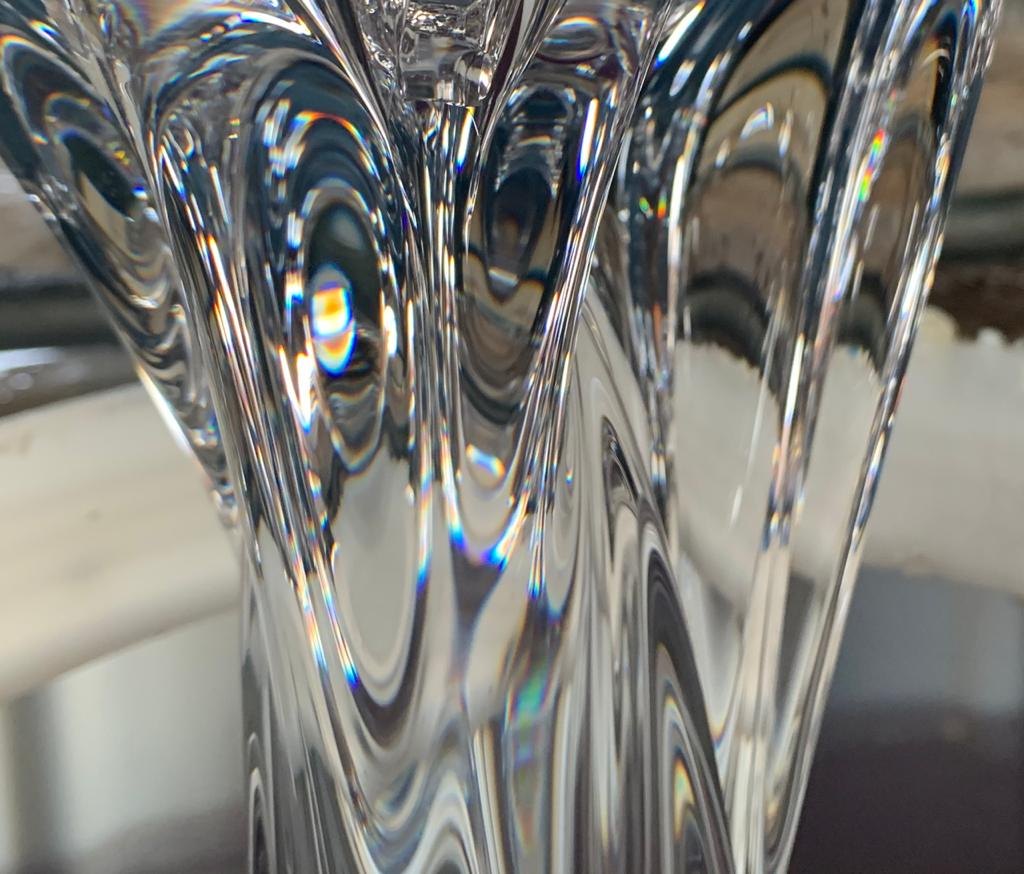
Features of Unsaturated Polyester Resin:
Unsaturated polyester resin (UPR) is a widely utilized material in the manufacturing of composite structures and products. Known for its remarkable properties, UPR is favored in various industries, including automotive, marine, and construction. Understanding the key features of this material can help manufacturers and consumers make informed decisions about its applications and benefits.
Versatility in Applications
One of the standout features of unsaturated polyester (UP) is its versatility. This resin can be formulated to meet specific requirements, making it suitable for a wide range of applications. Whether used in fiberglass-reinforced plastics (FRP), coatings, adhesives, or electrical insulation, UPR can be tailored to achieve desired characteristics, such as flexibility, strength, and resistance to environmental factors. This adaptability allows manufacturers to create products that cater to diverse needs across various sectors.
Excellent Mechanical Properties
Unsaturated polyester resins exhibit strong mechanical properties, including high tensile strength and impact resistance. When combined with reinforcing materials like glass fibers, the resulting composites can withstand significant stress and strain, making them ideal for structural applications. This strength is particularly beneficial in industries such as aerospace and automotive, where lightweight yet durable materials are essential for performance and safety.
Chemical Resistance
Another significant feature of UPR is its excellent chemical resistance. Unsaturated polyester resins can withstand exposure to a variety of chemicals, including acids, alkalis, and solvents. This property makes them suitable for use in environments where chemical exposure is a concern, such as in the production of tanks, pipes, and other equipment used in the chemical processing industry. The ability to resist corrosion and degradation ensures longevity and reliability in demanding applications.
Thermal Stability
Unsaturated polyester resins are known for their thermal stability, which allows them to maintain their mechanical properties at elevated temperatures. This feature is particularly important in applications where materials may be subjected to heat, such as in automotive parts or electrical components. The thermal stability of UPR helps prevent warping, melting, or loss of structural integrity, ensuring that products perform effectively under various conditions.
Ease of Processing
The processing of unsaturated polyester resin is relatively straightforward, contributing to its popularity in manufacturing. UPR can be easily molded, cast, or extruded, allowing for efficient production of complex shapes and designs. Additionally, the curing process can be accelerated using heat or chemical initiators, leading to quicker production times. This ease of processing not only reduces manufacturing costs but also enhances productivity.
Cost-Effectiveness
In comparison to other resin systems, unsaturated polyester resin is often more cost-effective. Its affordability, combined with its desirable properties, makes it an attractive option for manufacturers looking to balance performance with budget constraints. The availability of UPR in various formulations also allows companies to select the most suitable type for their specific application without compromising on quality.
Environmental Considerations
While unsaturated polyester resins offer numerous advantages, it is essential to acknowledge the environmental impact associated with their use. The production process can involve volatile organic compounds (VOCs), which may contribute to air pollution. However, advancements in technology are leading to the development of low-VOC formulations and recycling methods, helping to mitigate these concerns and promote sustainability in the industry.
In summary, the features of unsaturated polyester resin make it a valuable material in modern manufacturing. Its versatility, mechanical strength, chemical resistance, and thermal stability position it as a preferred choice across various industries. As manufacturers continue to innovate and address environmental concerns, polyester resins are likely to remain a cornerstone of composite materials, driving advancements in product design and performance. Understanding these features can empower users to leverage the benefits of UPR in their specific applications, ensuring optimal results and longevity.
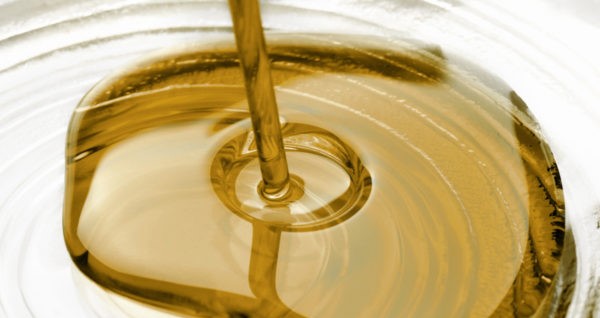
Applications of the unsaturated polyester resin:
Unsaturated polyester (UP) is a highly adaptable material that has become a cornerstone in various industries due to its remarkable properties. Its unique formulation allows it to be molded into a wide range of products, making it an essential choice for many applications. Let’s delve into some of the key areas where this material is making a significant impact.
-
Automotive Industry
In the automotive world, unsaturated polyester resin is revolutionizing the way vehicles are manufactured. Its lightweight yet durable nature makes it ideal for creating components such as body panels, bumpers, and dashboards. These resin-based parts not only enhance fuel efficiency by reducing overall vehicle weight but also provide excellent resistance to environmental factors like moisture and UV radiation. This durability translates into longer-lasting vehicles, which is a significant advantage for manufacturers and consumers alike.
-
Marine Applications
The marine industry heavily relies on unsaturated polyester resin for constructing boats and yachts. The resin’s resistance to water and chemicals is crucial in preventing corrosion, ensuring that vessels remain safe and functional over time. Fiberglass-reinforced plastics made with UPR are particularly popular because they combine strength with buoyancy, essential for any marine craft. This material allows for innovative designs while maintaining the structural integrity necessary for navigating open waters.
-
Construction Materials
In construction, unsaturated polyester resin is used to produce a variety of building materials, including panels, roofing, and insulation products. Its excellent adhesion and moisture resistance make it suitable for both indoor and outdoor applications. Furthermore, when combined with reinforcing fibers, UPR can create composite materials that enhance the strength and thermal insulation of buildings. This versatility makes it a valuable resource for architects and builders aiming for durability and efficiency in their projects.
-
Electrical and Electronics
The electrical and electronics sectors also benefit from unsaturated polyester resin. Its excellent insulating properties make it ideal for use in circuit boards and electronic components. UPR protects these components from moisture and dust, ensuring their reliability in various environments. This application is crucial for maintaining the performance and longevity of electronic devices, especially in demanding conditions.
-
Arts and Crafts
Unsaturated polyester resin has found a niche in the arts and crafts community. Artists use UPR to create stunning sculptures, jewelry, and decorative items. The resin can be easily colored and shaped, allowing for endless creative possibilities. Its ability to mimic other materials, such as glass or stone, adds to its appeal, making it a favorite among artisans looking to produce unique pieces.
-
Transportation and Aerospace
In the transportation and aerospace industries, polyester resins is increasingly recognized for its lightweight and strong characteristics. It is used in manufacturing components like interior panels and fairings, which contribute to reducing overall weight and improving fuel efficiency. The combination of strength and lightweight properties makes UPR an attractive option for these industries, where performance and safety are paramount.
-
Recreational Products
Finally, another use of unsaturated polyester resin is in the production of recreational products. From surfboards to kayaks and bicycles, UPR is favored for its durability and lightweight nature. Manufacturers can customize the resin to enhance performance characteristics, ensuring that these products meet the demands of outdoor enthusiasts.
Generally, Unsaturated polyester resin is a versatile and essential material across various industries. Its applications range from automotive and marine to construction and arts, showcasing its adaptability and effectiveness. As technology advances, the potential for this material continues to expand, paving the way for innovative solutions that meet modern demands. Understanding these diverse applications helps us appreciate the value of UPR in our everyday lives, ensuring quality and performance in a wide array of products.
Need expert advice? Silatrading is here to help you choose the right materials for your projects!
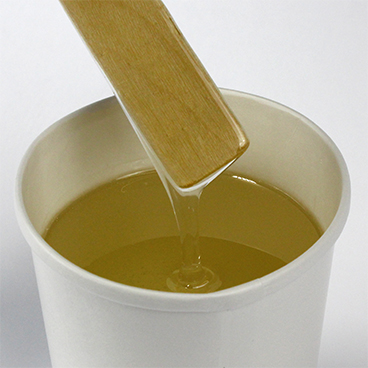
Tips related to unsaturated polyester:
Unsaturated polyester resin (UPR) is a versatile material used in various applications, but working with it requires some knowledge and care to achieve optimal results. Here are some tips to help you effectively use this material:
Proper Ventilation
When working with UPR, ensure that your workspace is well-ventilated. The resin and its curing agents, particularly styrene, can release fumes that may be harmful if inhaled. Use exhaust fans or work outdoors to minimize exposure to these vapors.
Wear Protective Gear
Always wear appropriate personal protective equipment (PPE) when handling unsaturated polyester resin. This includes gloves, goggles, and a respirator or mask to protect against inhalation of fumes and skin contact. Safety should always be a priority.
Follow Mixing Instructions
Carefully follow the manufacturer’s instructions for mixing the resin and hardener. The correct ratio is crucial for proper curing and achieving the desired properties. Inaccurate mixing can lead to incomplete curing, resulting in weak or brittle products.
Temperature Control
Temperature plays a significant role in the curing process of polyester resins. Ideally, work in a temperature-controlled environment, as both low and high temperatures can affect the curing time and final properties. Aim for a consistent ambient temperature for optimal results.
Use Release Agents
If you are using molds, apply a suitable release agent to prevent the cured resin from sticking. This will make demolding easier and help maintain the integrity of your mold for future use.
Test Small Batches
Before committing to a large project, conduct tests with small batches of resin. This allows you to evaluate the curing time, finish, and overall performance of the resin in your specific application.
Be Mindful of Curing Time
Understand that curing times can vary based on the formulation and environmental conditions. Monitor the resin as it cures, and be patient. Rushing the process can lead to defects or compromised strength.
Store Properly
Store unsaturated polyester resin and its components in a cool, dry place away from direct sunlight. Ensure that containers are tightly sealed to prevent contamination and degradation over time.
Consider Reinforcement Options
For enhanced strength and durability, consider incorporating reinforcing materials like fiberglass or carbon fiber into your UPR projects. This can significantly improve the mechanical properties of the final product.
Clean Up Promptly
Clean any spills or tools immediately after use to prevent the resin from hardening on surfaces. Use appropriate solvents recommended by the manufacturer for cleaning purposes.
Explore Color and Finish Options
Unsaturated polyester resin can be easily colored with pigments or dyes. Experiment with different colors and finishes to achieve the desired aesthetic for your project.
Stay Informed on Safety Guidelines
Keep up to date with safety guidelines and best practices for working with unsaturated polyester resin. This includes understanding the potential hazards and how to handle them effectively.
Conclusion:
Working with unsaturated polyester resin can be rewarding, offering endless possibilities for creativity and innovation. By following these tips, you can ensure a safer, more efficient, and successful experience in your projects. Whether you are a beginner or an experienced user, these guidelines will help you maximize the potential of polyester resins in your applications.
Unsaturated polyester (UP) is a versatile material widely used in various applications, from crafts to industrial products. To achieve the best results, it’s essential to prioritize safety by ensuring proper ventilation and wearing protective gear. Accurate mixing, temperature control, and the use of release agents are crucial for effective curing and easy demolding. Conducting small tests before larger projects can help you understand the material’s behavior, while proper storage and cleanup practices extend the life of your resin. Experimenting with colors and reinforcements can enhance both aesthetics and durability. By following these guidelines, you can maximize the potential of UPR and enjoy a successful crafting experience.