

Food and Pharmaceutical Colors

Environmental Impacts of Paint Industry Solvents: Challenges and Solutions
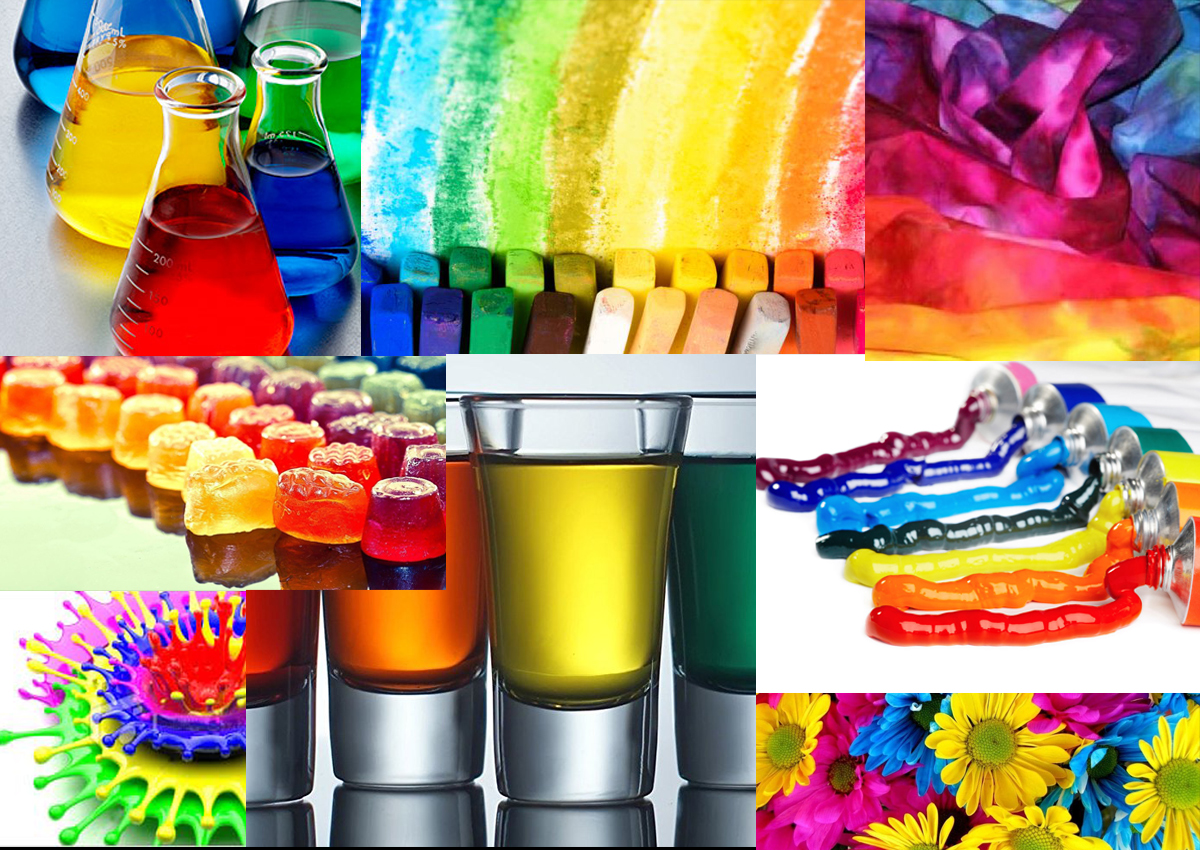
What are Solvent Dyes?
Solvent dyes are a class of organic compounds that dissolve in organic solvents. They are widely used in various industries, including textiles, plastics, inks, and coatings. These dyes offer vibrant colors and excellent colorfastness properties, making them a popular choice for many applications.
A Brief History of Solvent Dyes
The history of solvent dyes dates back to the 19th century. Early solvent dyes were derived from natural sources like coal tar. However, with advancements in synthetic chemistry, synthetic solvent dyes emerged, offering a wider range of colors and improved performance. Today, solvent dyes are produced using complex chemical processes involving various organic compounds.
Key Features of Solvent Dyes
-
Solubility:
Solvent dyes are highly soluble in organic solvents like ethanol, methanol, and aromatic hydrocarbons.
-
Colorfastness:
They exhibit excellent colorfastness to light, heat, and various chemicals.
-
Brightness:
Solvent dyes offer vibrant and brilliant colors.
-
Versatility:
They can be used in various applications, including textile dyeing, plastic coloring, and ink production.
Applications of Solvent Dyes

Solvent dyes find extensive use in various industries:
Textile Industry:
-
Polyester Dyeing:
Solvent dyes are widely used to dye polyester fibers, producing bright and durable colors.
-
Nylon Dyeing:
They are also suitable for dyeing nylon fabrics.

Plastic Industry:
-
Masterbatch Production:
Solvent dyes are used to produce color masterbatches, which are then added to plastic resins to impart color.
-
Plastic Coloring:
They can be directly added to plastic materials during the molding process.
Ink Industry:
-
Ink Production:
Solvent dyes are used to formulate various types of inks, including printing inks and marking inks.
Other Applications:
-
Leather Dyeing:
Solvent dyes are used to dye leather products.
-
Coating Industry:
They are used in the formulation of coatings and paints.
Factors to Consider When Using Solvent Dyes
-
Solvent Selection:
The choice of solvent is crucial, as it affects the solubility, color strength, and overall performance of the dye.
-
Dye Concentration:
The concentration of the dye in the solvent determines the intensity of the color.
-
Dyeing Temperature:
The dyeing temperature influences the rate of dye diffusion and the final color.
-
Dyeing Time:
The dyeing time affects the depth of color penetration.
-
Aftertreatment:
After dyeing, appropriate aftertreatment processes, such as heat setting and washing, are necessary to improve colorfastness.
By carefully considering these factors, one can achieve optimal results when using solvent dyes.
Sila trading is a leading supplier of high-quality solvent dyes. Contact us today to learn more about our product range and how we can help you achieve your color goals.