

Solvent Dyes: A Comprehensive Guide for Industrial Applications

Recycled Granules: Quality, Performance, and Environmental Benefits

Introduction
The paint industry plays a vital role in Oman’s construction and development sectors, providing essential coatings for infrastructure, homes, and businesses. Solvents are crucial components in paint formulations, enabling the pigments and binders to mix properly and ensuring smooth application. However, traditional solvents pose significant environmental challenges that need to be addressed.
Environmental Challenges
-
Air Pollution:
Many conventional solvents release Volatile Organic Compounds (VOCs) into the atmosphere as they evaporate. These VOCs contribute to smog formation, negatively impacting air quality and posing risks to respiratory health. In Oman, where high temperatures can exacerbate the effects of air pollution, this is a particularly pressing concern.

-
Water Contamination:
Improper disposal of solvent waste and runoff from paint manufacturing or application sites can contaminate water sources. This pollution harms aquatic ecosystems, jeopardizes water quality, and potentially affects human health. Oman’s coastal areas and precious oases are particularly vulnerable to such contamination.

-
Waste Generation:
Solvent-based paints generate hazardous waste that requires careful handling and disposal. The safe management of this waste presents a challenge, and improper disposal can lead to soil and groundwater contamination.
-
Resource Depletion:
Some solvents are derived from finite natural resources, contributing to resource depletion.
Solutions and Mitigation Strategies
-
Eco-Friendly Solvent Alternatives:
The good news is that sustainable alternatives are available!
-
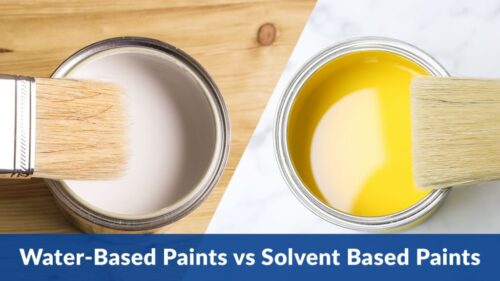
Water-based solvents:
These solvents significantly reduce VOC emissions and minimize environmental impact.
-
Low-VOC solvents:
These solvents are formulated to release fewer VOCs, improving air quality.
-
Bio-based solvents:
Derived from renewable resources, these solvents offer a more sustainable approach.

-
-
Sustainable Practices in the Paint Industry:
-
Responsible handling, storage, and disposal:
Implementing strict protocols minimizes the risk of spills, leaks, and improper disposal.
-
Waste reduction and recycling:
Initiatives to reduce waste generation and promote solvent recycling are essential.
-
Compliance with regulations:
Adhering to Oman’s environmental regulations is crucial for all paint industry stakeholders.
-
Contact Sila Trading today to explore our selection of sustainable solvents and learn how we can assist you in making environmentally conscious choices. Let’s work together to build a more sustainable future for Oman’s paint industry. Join the conversation and share your thoughts on this important issue!